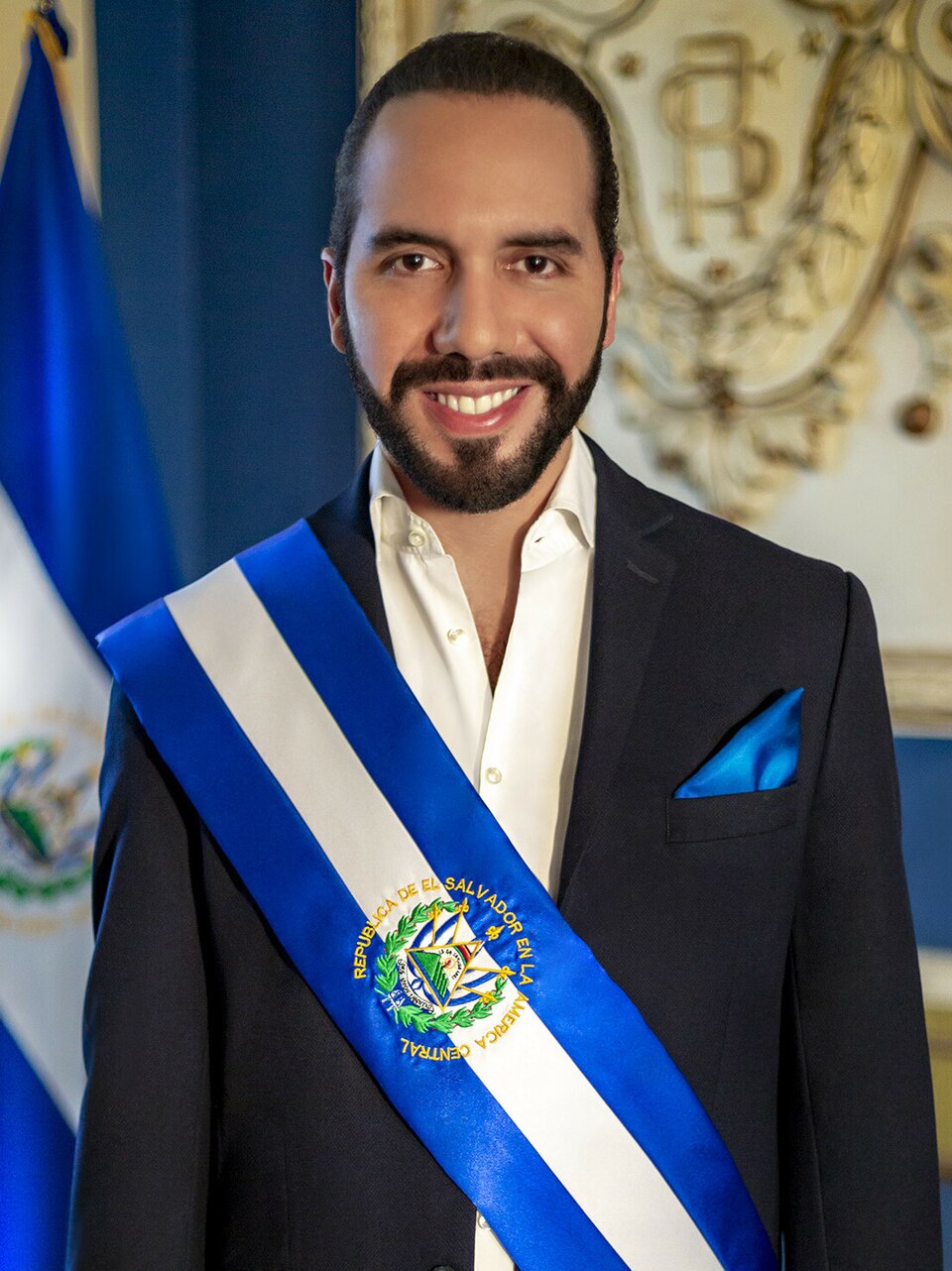
El Salvador stands at a pivotal juncture in its political history, experiencing a profound transformation under the assertive leadership of President Nayib Bukele and his dominant Nuevas Ideas (NI) party. While Bukele enjoys widespread domestic popularity, largely due to his relentless crackdown on gang violence, his administration's legislative maneuvers have ignited intense debate and raised significant concerns among international observers, human rights organizations, and domestic opposition parties. At the heart of this controversy lies a series of constitutional amendments that critics argue systematically Bukele Amends El Salvador's Constitution: Undermining Democracy? and consolidates power in the executive branch.
The Foundation of Change: How Bukele Alters the Constitution's Rules
For decades, El Salvador's 1983 Constitution was lauded for its robust safeguards designed to prevent hasty or autocratic amendments. A cornerstone of this stability was the requirement that any constitutional change needed approval by two successive legislatures. This deliberate, two-stage process ensured that proposed reforms reflected a broad national consensus and withstood the test of time, rather than being driven by the transient majority of a single legislative term. It acted as a crucial democratic check, ensuring profound legal shifts were not undertaken lightly.
However, this fundamental safeguard was dramatically altered on April 29, 2024. In a move that shocked many, the outgoing Salvadoran legislature, just days before the new legislative session began, passed an amendment allowing constitutional changes to be approved by a three-quarters majority in a single legislature. This timing was highly strategic: the incoming 60-member legislature is overwhelmingly dominated by President Bukele’s NI party, which secured an unprecedented 54 seats. This effectively paves the way for NI to easily pass any constitutional reforms they desire without the traditional need for subsequent legislative ratification, demonstrating a clear path for how El Salvador: How Bukele's Reforms Consolidate Legislative Power and presidential authority.
The immediate implication is profound: the barrier for altering El Salvador's foundational legal document has been significantly lowered. Where once a consensus across different political cycles was mandatory, now a single, highly unified legislative body can implement sweeping changes. This procedural shift is central to understanding how Bukele alters constitution and the traditional balance of power.
Undermining Democratic Safeguards: Concerns and Criticisms
The swift passage of this amendment has not gone unnoticed, drawing sharp condemnation from various quarters. Opposition parties, including the long-standing right-wing Alianza Republicana Nacionalista (Arena) and the left-wing Frente Farabundo Martí para la Liberación Nacional (FMLN), have vociferously criticized the move, labeling it a blatant power grab. Arena, whose representation has dwindled to just two seats, issued a stark warning that the amendment would allow for constitutional reforms to be rushed through with minimal scrutiny, thereby undermining the very essence of the democratic process.
Human rights organizations and constitutional experts echo these concerns, arguing that the amendment dangerously concentrates power in President Bukele’s hands, eroding the vital checks and balances that are indispensable to a functioning democracy. A paramount concern revolves around presidential term limits. Given Bukele’s recent re-election bid, which was made possible by a controversial Supreme Court ruling, critics fear that this new amendment could be used to remove constitutional limits on consecutive presidential terms entirely, potentially paving the way for a "Bukele forever" scenario.
This concern is not entirely new. Since NI gained a two-thirds legislative majority in 2021, speculation has been rife about constitutional reforms aimed at consolidating Bukele's power. A commission led by Vice President Félix Ulloa had previously proposed changes, including altering presidential term limits. While these were temporarily shelved after the Supreme Court's favorable ruling for Bukele's re-election, the latest amendment revives these anxieties, suggesting a broader, long-term strategy to entrench NI's dominance and Bukele's leadership beyond conventional democratic norms.
Key takeaway: The procedural changes might seem technical, but their impact on democratic governance is fundamental. When Bukele alters constitution mechanisms, the very stability and future of El Salvador's democratic institutions come into question.
A Broader Strategy: A Pattern of Power Consolidation
The recent constitutional amendment is not an isolated incident but rather a significant piece in a larger mosaic of legislative changes and executive actions aimed at consolidating power since President Bukele took office in June 2019. From the controversial removal of Supreme Court justices and the Attorney General in 2021, paving the way for the appointment of loyalists, to the comprehensive legislative reforms passed by NI's supermajority, the pattern has been consistent: strengthen executive control and weaken independent institutions.
The Supreme Court, for instance, has effectively lost its independence. The magistrates of the Constitutional Chamber, appointed by Bukele's legislative majority, repaid the political favor by allowing him to bypass constitutional prohibitions on immediate re-election. This effectively rendered the judicial branch subservient to the executive, eliminating another critical check on presidential power. The Legislative Assembly, dominated by official forces, further solidified this control, diminishing the institutional autonomy of the courts.
This systematic approach demonstrates a calculated strategy to dismantle traditional democratic firewalls. While many of these moves have been framed publicly as necessary for efficiency or to combat entrenched corruption and gang violence, their cumulative effect is a significant concentration of power in the hands of one man and one party. This trajectory is what alarms human rights advocates and international bodies, who see a clear erosion of democratic norms in a nation that once struggled to establish them.
Beyond the Headlines: Popularity, Bitcoin, and the Future
Despite the criticisms regarding democratic backsliding, Nayib Bukele remains immensely popular among the Salvadoran populace. His aggressive stance against gangs, manifested in a controversial state of emergency that has led to mass arrests and a dramatic reduction in crime rates, has garnered him sky-high approval ratings. For many Salvadorans, the palpable improvement in security outweighs concerns about constitutional integrity. This strong public mandate provides Bukele with significant political capital to pursue his agenda, even when it involves contentious constitutional reforms.
Furthermore, Bukele has adeptly used other initiatives to divert international attention, such as his bold experiment in making Bitcoin legal tender. As some analysts have noted, the international press has often been more captivated by the "smoke of Bitcoin" and El Salvador's cryptocurrency ventures than by the nuanced and often alarming assaults on the country's democratic framework. This strategic focus can serve to mask or downplay the significance of internal political shifts from broader international scrutiny.
As El Salvador moves forward, the implications of how Bukele alters constitution are far-reaching. The ease with which fundamental legal structures can now be changed, coupled with diminished judicial independence and a supermajority in the legislature, creates a landscape where the line between strong leadership and autocratic rule becomes increasingly blurred. The long-term stability of El Salvador will hinge on whether these consolidated powers are used to genuinely uplift the nation within a democratic framework or if they continue to undermine the very foundations of its nascent democracy.
In conclusion, President Nayib Bukele's administration has fundamentally reshaped El Salvador's political landscape, most notably through constitutional amendments that dramatically ease the process for future changes. By allowing a simple three-quarters majority in a single legislature to approve constitutional reforms, the traditional safeguards against autocratic amendments have been significantly weakened. This, coupled with the erosion of judicial independence and the overwhelming dominance of the Nuevas Ideas party, signals a concerted effort to concentrate power. While Bukele's popularity remains high due to his security initiatives, the manner in which Bukele alters constitution norms raises profound questions about the future of democracy and institutional checks and balances in El Salvador.