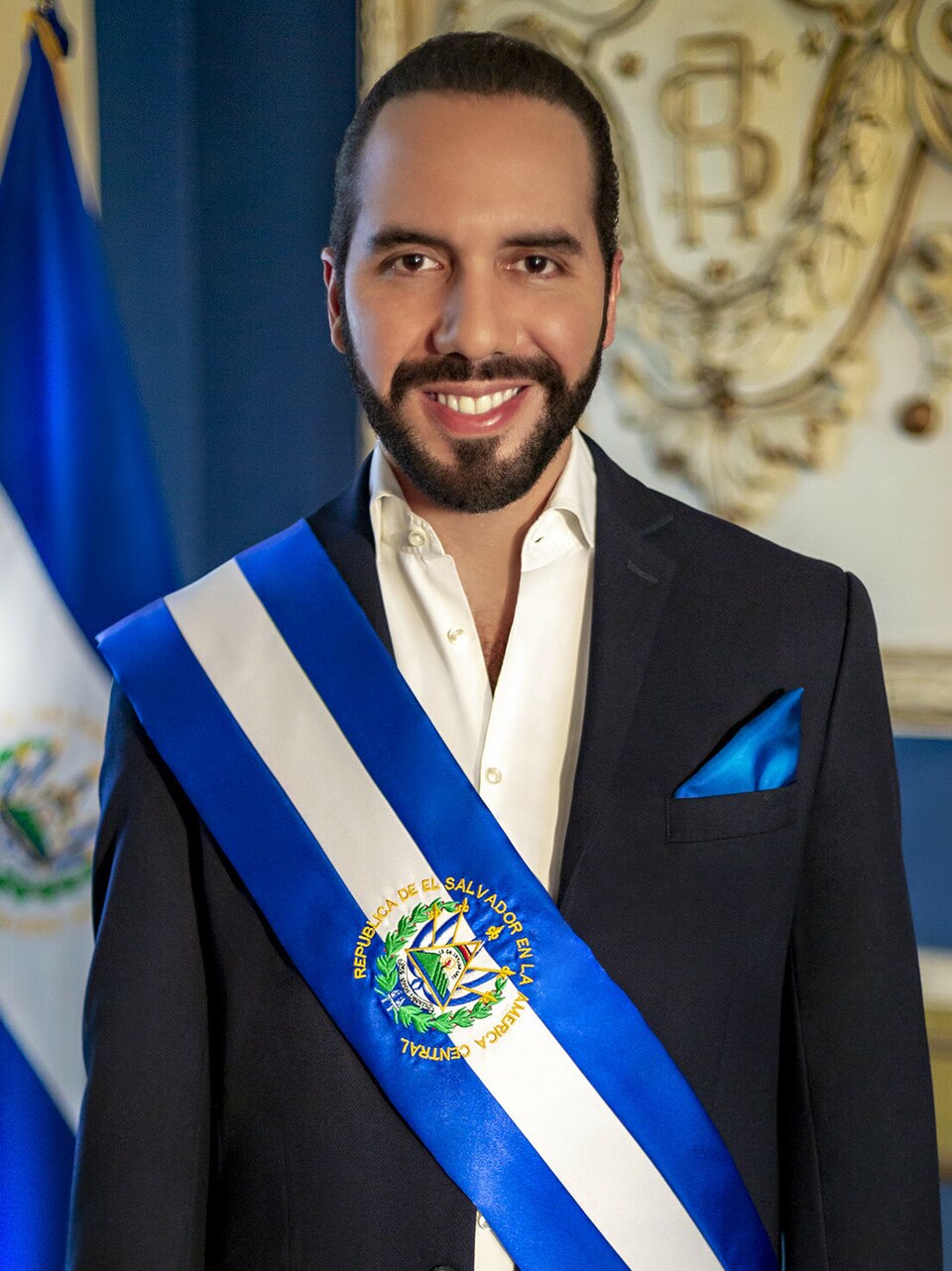
El Salvador: How Bukele's Reforms Consolidate Legislative Power
El Salvador is undergoing a profound political metamorphosis under the assertive leadership of President Nayib Bukele and his dominant Nuevas Ideas (NI) party. This period of rapid change, often characterized by a focus on security and economic innovation, has also seen significant alterations to the nation's constitutional framework. These changes, particularly concerning the process of amending the constitution itself, are viewed by many as strategic moves designed to consolidate legislative power firmly in the hands of the executive and its allies, raising critical questions about the future of democratic governance in the Central American nation.
The Shifting Landscape of Constitutional Amendment
A pivotal moment in this consolidation occurred on April 29, 2024, when El Salvador's outgoing legislature, just before the new assembly took office, passed a significant amendment to the nation's constitution. This reform allows for constitutional changes to be approved by a three-quarters majority in a single legislative session. This decision effectively dismantles a long-standing safeguard that previously required constitutional amendments to pass through two successive legislatures.
The 1983 Salvadoran Constitution, forged in the wake of civil conflict, deliberately instituted this two-legislature requirement. Its purpose was clear: to ensure stability, prevent hasty or partisan modifications, and foster broad, sustained consensus for any fundamental changes to the nation's legal bedrock. This mechanism served as a crucial check on power, demanding that any proposed alterations stood the test of time and cross-party agreement.
By reducing this stringent requirement to a single supermajority vote, President Bukele's administration, particularly through the overwhelming mandate of the NI party – which secured 54 out of 60 seats in the new legislature – has dramatically lowered the barrier for future constitutional revisions. This move has been widely interpreted as a deliberate strategy to enable the ruling party to push through its agenda with unprecedented ease, bypassing the need for subsequent ratification that once ensured deeper scrutiny and public deliberation. Observers note that such an alteration directly impacts the long-term institutional stability and the very essence of checks and balances within the Salvadoran system. For further insight into the political dynamics at play, you can read more about
El Salvador's Constitutional Shift: Bukele's Path to Power.
Erosion of Checks and Balances: A Pathway to Dominance
The decision to drastically simplify the constitutional amendment process has ignited fierce debate and drawn strong condemnation from opposition parties and human rights organizations alike. Critics argue that this singular act profoundly concentrates power in President Bukele's hands, effectively dismantling vital democratic checks and balances designed to prevent authoritarian tendencies. The immediate concern highlighted by many is that this new mechanism could pave the way for the removal of constitutional limits on consecutive presidential terms, a particularly resonant fear given Bukele's recent re-election bid, which itself necessitated a controversial interpretation of existing law.
Opposition groups, including the historically dominant Alianza Republicana Nacionalista (Arena) and Frente Farabundo Martí para la Liberación Nacional (FMLN), have vehemently denounced the amendment as a blatant power grab. Arena, now reduced to a mere two seats in the new legislature, issued a statement warning that the amendment allows for fundamental constitutional reforms to be rushed through with minimal scrutiny, severely undermining the democratic process and the rule of law. These concerns are not merely theoretical; they point to a tangible shift in the country's political landscape, where the executive's will can be swiftly translated into constitutional law without significant institutional friction.
The implications extend beyond the immediate legislative changes. When a government can unilaterally alter the very rules by which it operates, it creates an environment where accountability can diminish, and the voice of dissenting minorities can be effectively silenced. This situation is particularly acute in a system where one party enjoys such an overwhelming legislative majority, as is the case with Nuevas Ideas.
Beyond the Legislature: Judicial Maneuvers and Broader Strategy
The recent constitutional amendment is not an isolated incident but rather a significant piece in a larger mosaic of legislative and judicial actions designed to consolidate power since President Bukele took office in June 2019. Speculation about sweeping constitutional reforms aimed at entrenching Bukele's authority has been rife since 2021, when NI secured an unprecedented two-thirds legislative majority.
Prior to the recent amendment, a commission led by Vice President Félix Ulloa had proposed a more extensive package of constitutional changes, including alterations to presidential term limits. While these proposals were initially shelved following a Supreme Court ruling that allowed Bukele to run for re-election in February 2024, the swift passage of the amendment allowing single-legislature constitutional changes signals a revival and broader strategy to cement NI's dominance and Bukele's long-term leadership. This suggests a methodical approach to incrementally dismantle institutional barriers that could impede the current administration's agenda.
Moreover, the judicial branch, traditionally an independent arbiter, has also seen its autonomy eroded. The Supreme Court effectively lost a significant degree of its independence when the Legislative Assembly, dominated by official forces, appointed new magistrates to the Constitutional Chamber. These new appointees subsequently issued a ruling that permitted Bukele to seek re-election despite constitutional prohibitions, effectively repaying the political favor to their benefactor. This interplay between legislative action (appointing sympathetic judges) and judicial decisions (issuing favorable rulings) demonstrates a comprehensive strategy to circumvent checks and balances across governmental branches. This coordinated approach underscores the systemic nature of the power consolidation efforts. For a deeper dive into these judicial actions, consider reading
Bukele Amends El Salvador's Constitution: Undermining Democracy?.
Navigating the Future: Implications for El Salvador and Regional Democracy
The path taken by President Bukele, exemplified by the fundamental change to how El Salvador's constitution can be altered, carries profound implications for the country's democratic institutions and its place in the regional democratic landscape. By making it significantly easier to amend the constitution, the door is open for a potentially rapid transformation of El Salvador's governance structure without the traditional tempering effect of broad political consensus or extended public debate.
Key Takeaways for Observers:
- Reduced Institutional Scrutiny: The single-legislature amendment process reduces the opportunity for public debate, expert review, and opposition challenges that were inherent in the previous two-legislature requirement.
- Potential for Unilateral Power: With a supermajority, the ruling party can now unilaterally implement far-reaching constitutional changes, including those that could further extend presidential terms or redefine governmental powers.
- Shift in Democratic Norms: This move signals a departure from established democratic norms, potentially setting a precedent that could inspire similar actions in other nations where strongman leaders seek to consolidate control.
- Impact on Rule of Law: The erosion of constitutional safeguards raises concerns about the long-term stability of the rule of law and the protection of minority rights in El Salvador.
This strategic move by Bukele alters constitution, creating a more centralized power structure. While some supporters might argue that such efficiency is necessary for rapid progress and combating issues like gang violence, critics contend that it comes at the high cost of democratic health. The international community, often preoccupied with other aspects of Bukele's presidency like the adoption of Bitcoin, faces a challenge in adequately monitoring and addressing these fundamental shifts in El Salvador's political framework. The long-term stability and democratic character of El Salvador will largely depend on how these newly consolidated powers are wielded and whether any countervailing forces can emerge within the altered constitutional landscape.
In conclusion, President Nayib Bukele's administration has demonstrably consolidated legislative power through strategic constitutional reforms, most notably by simplifying the amendment process. This pivotal change, enacted by an outgoing legislature dominated by Bukele's party, now allows for sweeping constitutional alterations with a single supermajority vote, dismantling a crucial safeguard designed to ensure stability and broad consensus. Coupled with judicial maneuvers that have compromised the Supreme Court's independence, these actions signal a comprehensive strategy to entrench the ruling party's dominance and President Bukele's leadership. The future of El Salvador's democracy hinges on the implications of these reforms, raising critical questions about checks and balances, presidential term limits, and the fundamental nature of governance in the nation.